How Eating the Rainbow Supports Mental Health
As a certified health coach with a master’s degree in Clinical Mental Health Counseling, I’ve see firsthand how closely connected nutrition and mental health truly are- especially after counseling college students. While food alone isn’t a cure-all for anxiety or depression, the nutrients we consume play a powerful role in supporting brain chemistry, mood regulation, and nervous system health.
One simple, non-overwhelming way to support mental wellness through food is by eating the rainbow—intentionally including a variety of naturally colored fruits and vegetables in your meals.
Each color provides different vitamins, minerals, and plant compounds that support the brain in unique ways. Let’s break it down.

Green Foods: Mood & Nervous System Support
Green vegetables are rich in nutrients that support neurotransmitter production and nervous system regulation.
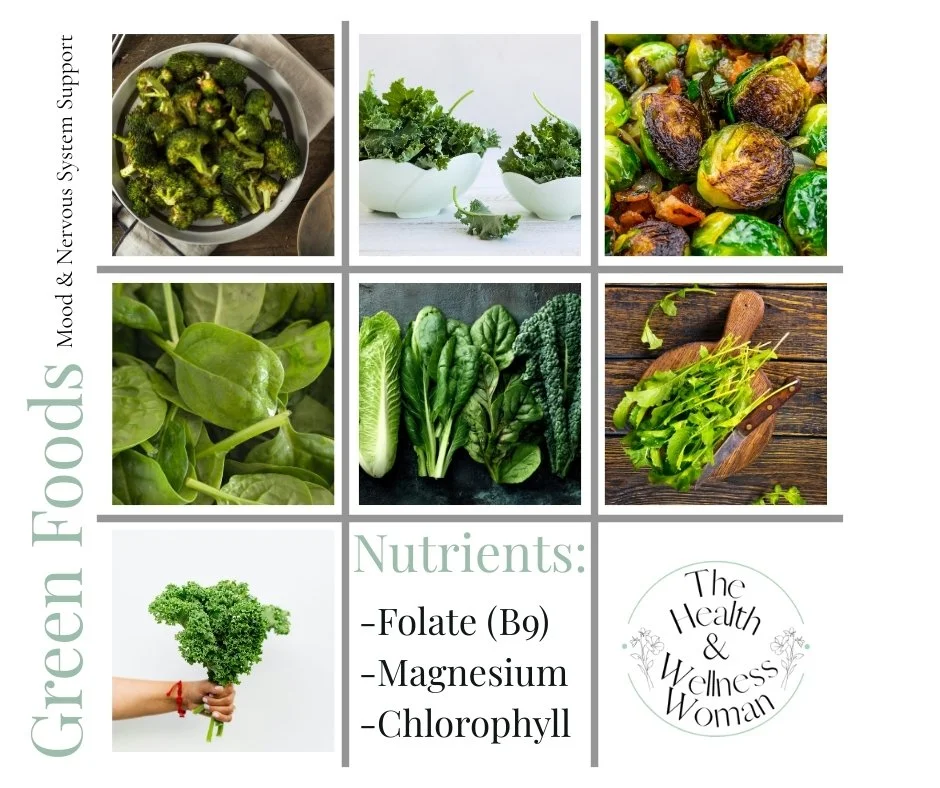
Key nutrients:
Folate (B9)
Magnesium
Chlorophyll
Mental health benefits:
Supports serotonin production
Helps regulate the stress response
May reduce symptoms of low mood and irritability
Examples: spinach, kale, arugula, broccoli, Brussels sprouts, avocado
Red Foods: Brain Protection & Inflammation Support
Red fruits and vegetables are packed with antioxidants that help protect brain cells from oxidative stress.
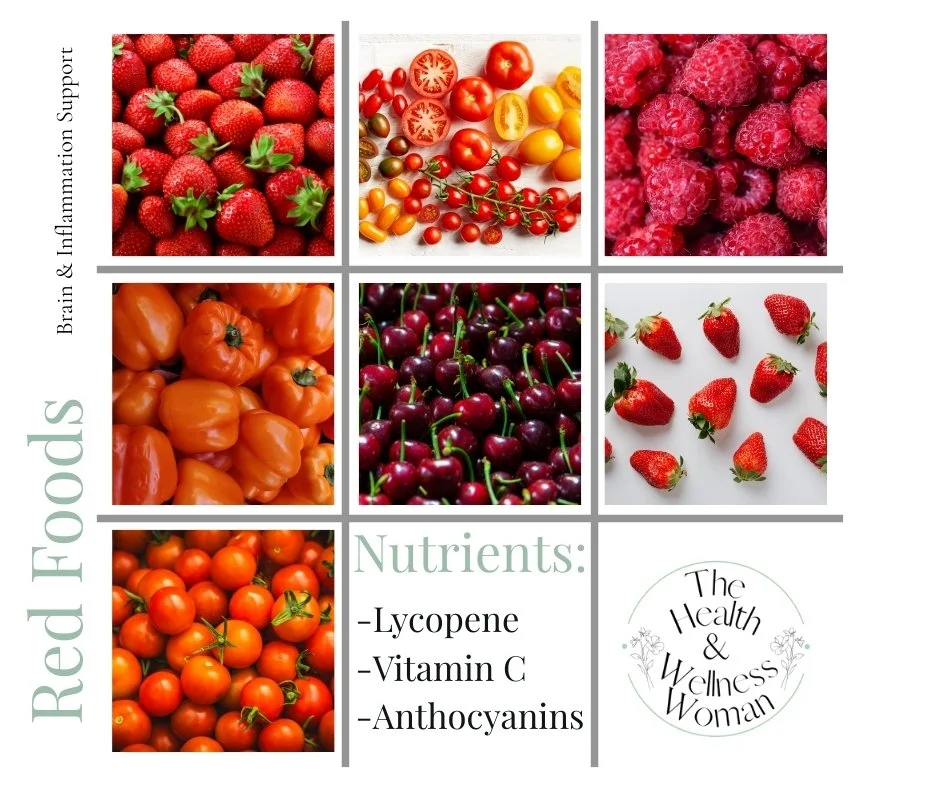
Key nutrients:
Lycopene
Vitamin C
Anthocyanins
Mental health benefits:
Supports brain health
Helps reduce inflammation linked to mood disorders
Supports adrenal health during stress
Examples: strawberries, raspberries, tomatoes, red bell peppers, cherries

Orange & Yellow Foods: Stress & Immune Support
These vibrant foods support the body’s stress response and immune system—both of which are closely tied to mental health.
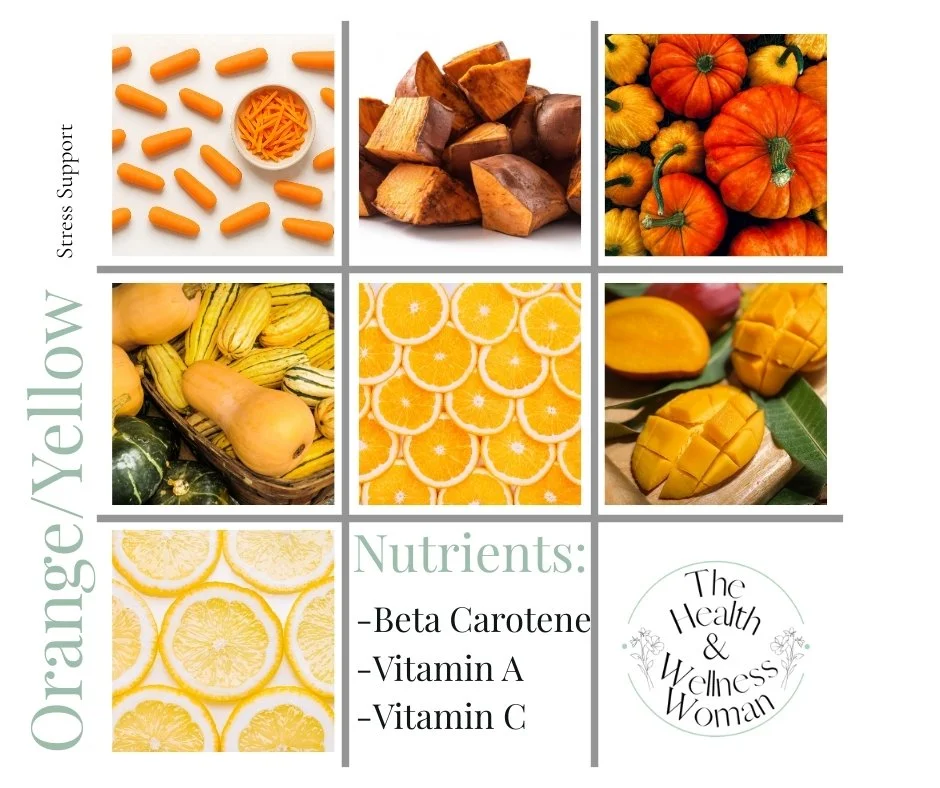
Key nutrients:
Beta-carotene
Vitamin A
Vitamin C
Mental health benefits:
Supports adrenal function
Helps the body cope with physical and emotional stress
Supports overall energy levels
Examples: carrots, sweet potatoes, pumpkin, squash, oranges, mango
Purple & Blue Foods: Brain & Cognitive Health
Purple and blue foods contain powerful compounds that support brain function and protect against cognitive decline.
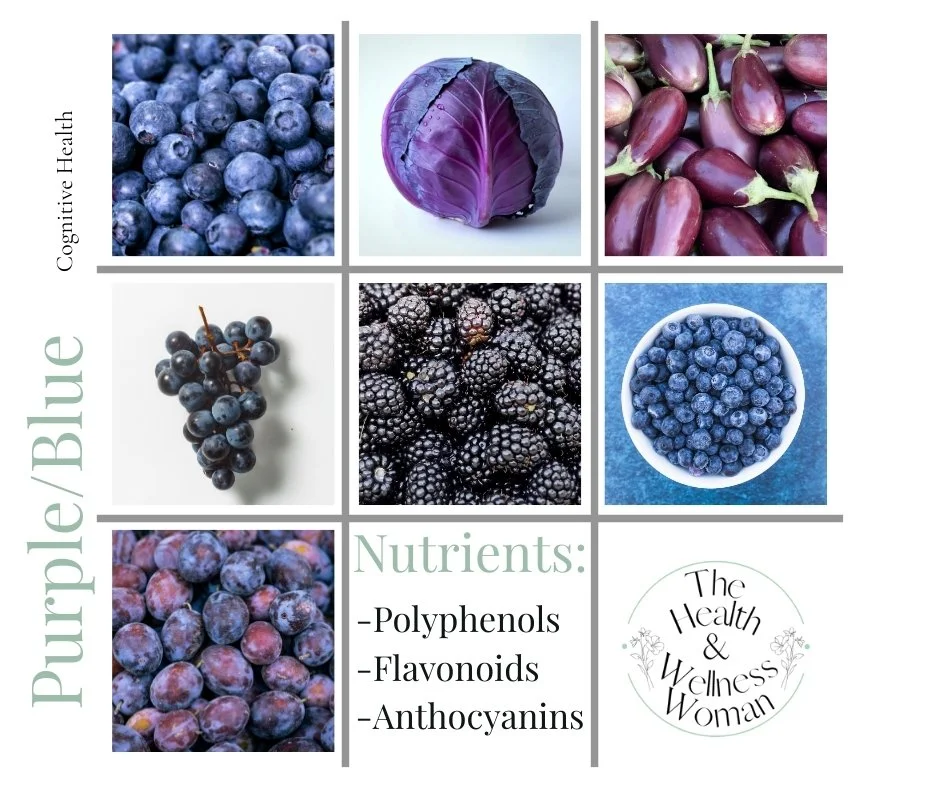
Key nutrients:
Polyphenols
Flavonoids
Anthocyanins
Mental health benefits:
Supports memory and focus
Helps protect against neuroinflammation
May support long-term brain health
Examples: blueberries, blackberries, purple cabbage, eggplant, plums
White & Brown Foods: Gut-Brain & Detox Support
Often overlooked, white and brown plant foods play an important role in gut health—which directly impacts mental health.
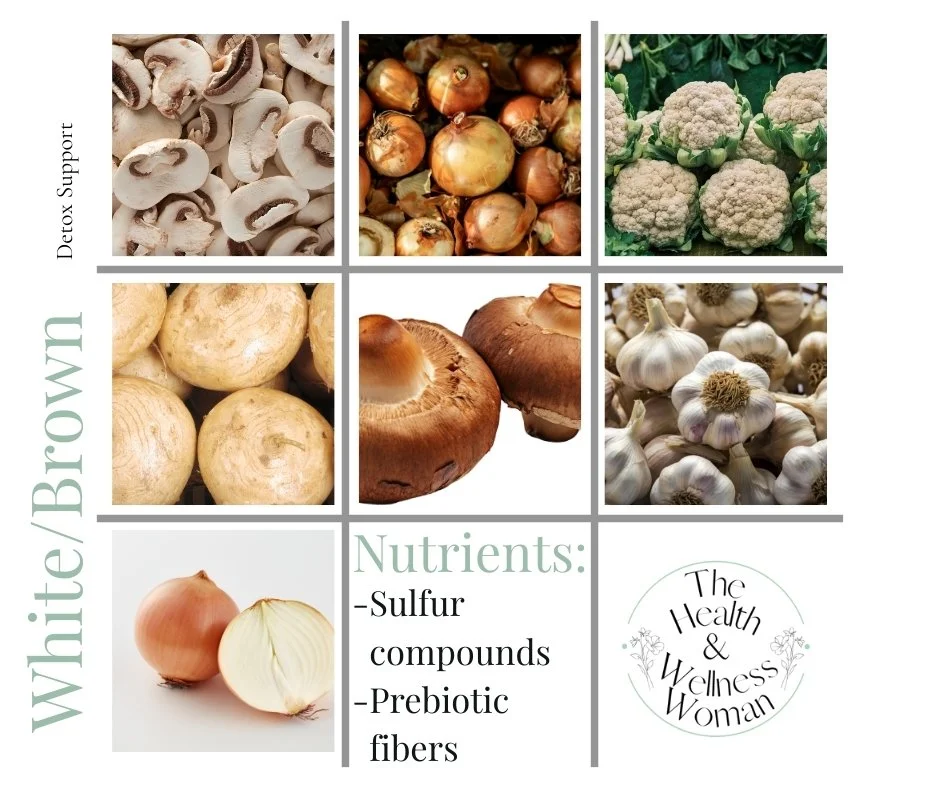
Key nutrients:
Sulfur compounds
Prebiotic fibers
Mental health benefits:
Supports detox pathways
Promotes healthy gut bacteria
Supports neurotransmitter production via the gut-brain axis
Examples: garlic, onions, cauliflower, mushrooms, jicama
Why Variety Matters for Mental Health
Mental health is influenced by multiple systems—brain chemistry, hormones, gut health, blood sugar, and nervous system regulation. No single food or supplement can do it all.
Eating a variety of colors ensures your body receives a wide spectrum of nutrients that work together to support mood, focus, and emotional resilience.
Simple Ways to Eat the Rainbow (Without Overthinking It)
Add one colorful fruit or vegetable to each meal
Rotate produce weekly instead of eating the same foods every day
Aim for 3–5 different colors per day—not perfection
Focus on whole foods, not food dyes or processed "colorful" snacks
Final Thoughts
Supporting mental health doesn’t have to be complicated. Sometimes it starts with what’s on your plate.
By eating the rainbow, you’re giving your brain the building blocks it needs to function at its best—one colorful bite at a time.
If you want more simple, science-informed wellness tips that support both body and mind, be sure to explore more posts here on the blog.
Other Wellness Blog Posts You May Like